
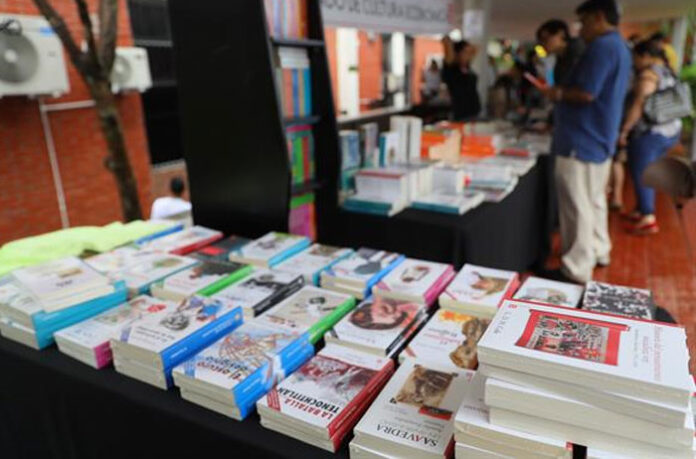
The book market in Honduras is fragmented, import‑dependent, and supported by a developing local publishing ecosystem. For industry professionals, understanding its dynamics requires examining five core dimensions: market size, supply structure, consumer behavior, distribution channels, and strategic opportunities.
1. Market Size and Structure
Honduras has a small and highly concentrated book market.
- Most available titles come from editorial imports, mainly from Mexico, Spain, and the United States.
- Local production remains limited, with a few established publishers and a growing number of independent presses.
- Per‑capita spending on books is low, influenced by socioeconomic factors and the limited presence of bookstores outside Tegucigalpa and San Pedro Sula.
2. Demand Segments
Demand is concentrated in three major categories:
- Educational books, the primary engine of the market through institutional and private purchasing.
- Children’s and young adult literature, showing steady growth, especially in school contexts.
- Religious books, a strong segment with its own distribution networks.
General fiction and essays have lower penetration, though fairs and cultural events are expanding visibility.
3. Distribution Channels
Distribution is the market’s main structural bottleneck.
- Independent bookstores dominate but have limited geographic reach.
- Institutional sales represent a significant portion of annual volume.
- E‑commerce is growing but not yet mainstream due to logistical and payment barriers.
- Regional distribution within Central America is a promising avenue but requires stable logistical and customs agreements.
4. Digitalization and New Formats
Digital adoption in Honduras is still in an early phase.
- E‑books are growing steadily, driven by international platforms.
- Audiobooks are gaining traction among younger readers and professionals.
- For small publishers, digital formats reduce production costs and eliminate logistical barriers, making them a strategic expansion channel.
5. Local Production and Creative Ecosystem
Local publishing output is increasing but faces structural challenges.
- Authors rely on independent publishers, writing workshops, and self‑publishing.
- Distribution and visibility remain the biggest obstacles.
- Book fairs and cultural programs are strengthening professionalization and reader engagement.
6. Strategic Opportunities
Honduras offers clear opportunities for publishers, agents, and distributors:
- Development of educational and technical catalogs tailored to local needs.
- Digital and audio expansion as scalable growth channels.
- Regional partnerships with publishers in Guatemala, El Salvador, and Costa Rica.
- Reading‑promotion initiatives led by NGOs and international organizations.
- Professional editorial services (editing, translation, audio production) for local authors.
Conclusion
The Honduran book market is small but increasingly dynamic. Its evolution will depend on digital adoption, ecosystem professionalization, and the ability of publishers to adapt to an environment where logistics, education, and accessibility are decisive factors.
#BookMarket #Honduras #PublishingIndustry #LatinAmericanPublishing #EditorialSector


Do you want to launch your own portal for printed and digital books, manage it directly without relying on third parties, and operate under your own brand? Bookset is your solution: fast, affordable, and fully customizable for your company or publishing house. 👉 bookset.app