
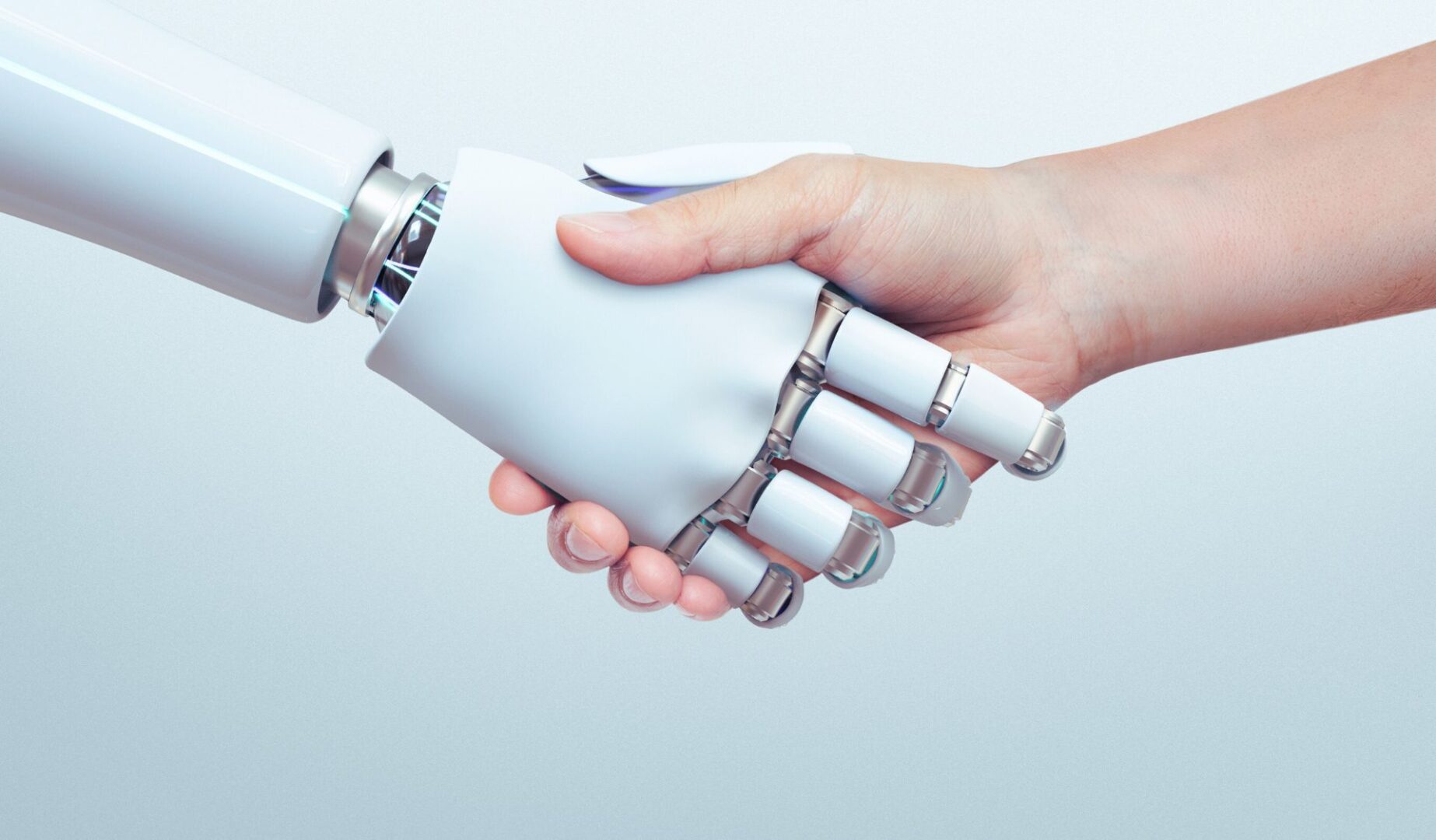
The rise of Artificial Intelligence in audiobook production has sparked intense debate across the publishing industry. Are we witnessing a threat to professional narrators, or the emergence of a powerful tool that will expand creative and commercial opportunities? As with most technological revolutions, the answer is more nuanced than a simple choice between humans and machines.
Rather than signaling the immediate replacement of human performers, synthetic voices are redefining the role of narrators and transforming the way audiobooks are created and consumed.
The Rise of Synthetic Voices
For many years, computer-generated voices were easily recognizable due to their robotic tone and limited expressiveness. Recent advances in generative AI and neural speech synthesis, however, have dramatically changed the landscape.
Modern voice technologies can reproduce natural intonation, emotional nuances, pauses, and speech patterns with an impressive level of realism. Some synthetic voices can even replicate regional accents and adapt their delivery to different literary genres, bringing them closer than ever to human narration.
As a result, publishers and content creators are increasingly adopting AI-generated voices, especially for projects where speed, scalability, and budget efficiency are critical factors.
What Human Narrators Bring to the Experience
Despite the remarkable progress of AI, professional narrators continue to offer a unique value that technology cannot fully replicate.
Narrating a book involves far more than reading words aloud. Skilled narrators interpret emotions, develop characters, build atmosphere, and create a deeper connection between the story and the listener.
In genres such as fiction, children’s literature, poetry, and dramatic storytelling, human performers contribute subtle emotional layers that remain difficult for AI systems to reproduce consistently.
Moreover, many listeners develop strong connections with their favorite narrators, whose voices become an integral part of the storytelling experience.
The Advantages of Artificial Intelligence
At the same time, AI offers compelling benefits that are impossible to ignore.
Faster Production
An AI-generated audiobook can be produced in hours rather than weeks, dramatically reducing time-to-market.
Lower Costs
Automation significantly reduces expenses related to recording studios, voice talent, and post-production.
Greater Catalog Availability
Many books have never been converted into audiobooks because production costs made them economically unfeasible. AI can make these adaptations profitable.
Multilingual Capabilities
Advanced voice-generation systems can produce content in multiple languages, enabling publishers to reach international audiences more efficiently.
Competitors or Partners?
The real question is not whether AI will replace human narrators, but how the two will coexist.
The most likely future is a hybrid one. Premium audiobooks, literary fiction, and highly expressive works will continue to benefit from professional narrators. Meanwhile, synthetic voices will help expand audiobook catalogs, particularly in educational, technical, academic, and niche content where speed and affordability are priorities.
In fact, many production companies are already experimenting with collaborative models in which AI generates an initial narration that is later reviewed, refined, and directed by human professionals.
New Opportunities for Voice Talent
Ironically, Artificial Intelligence may create new opportunities for narrators rather than eliminate them.
Many voice actors are beginning to license digital versions of their voices, allowing publishers to use authorized voice models while ensuring that performers maintain control over how their vocal identity is used.
At the same time, new professions are emerging around AI voice supervision, narration quality control, voice model training, and creative direction for AI-generated productions.
The Listener’s Perspective
Ultimately, the market will be shaped by listener preferences.
Some audiences will continue to favor the emotional depth and authenticity of human narration. Others may prioritize affordability, rapid availability, or access to content in multiple languages.
Just as printed books, ebooks, and traditional audiobooks coexist today, human and AI narration are likely to serve different needs and audiences.
Conclusion
The relationship between synthetic voices and human narrators does not have to become a battle for survival. Instead, it is evolving into a partnership where each brings distinct strengths to the audiobook ecosystem.
Artificial Intelligence offers speed, efficiency, and scalability. Human narrators contribute emotion, creativity, and artistic interpretation. Together, these strengths have the potential to usher in a new era of audiobook production, one in which more stories can reach more listeners across more languages than ever before.
The future of audiobooks is unlikely to be entirely human or entirely artificial. It will most likely be a thoughtful and innovative combination of both.


Do you want to launch your own portal for printed and digital books, manage it directly without relying on third parties, and operate under your own brand? Bookset is your solution: fast, affordable, and fully customizable for your company or publishing house. 👉 bookset.app