
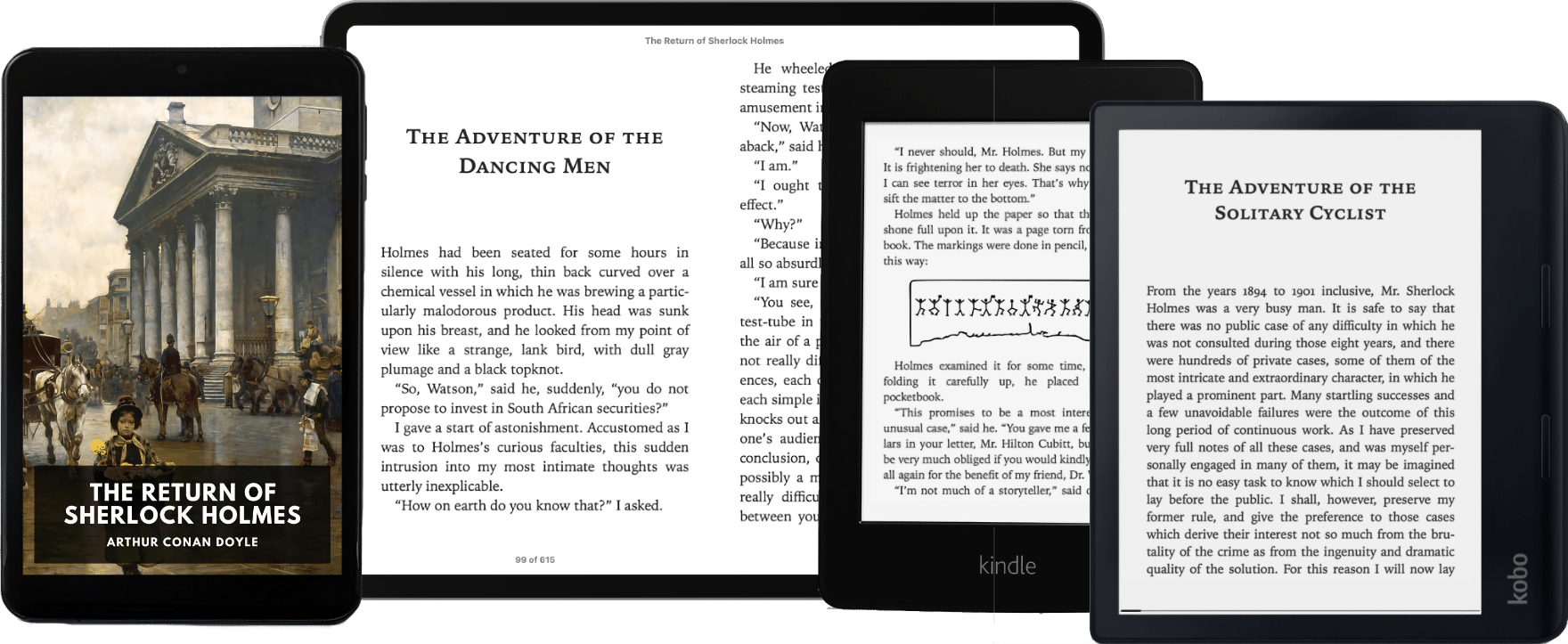
The digital standard that structures, organizes and enables professional ebook production
Although we often refer to EPUB as “the ebook format,” it is much more than that: it is a publishing standard, a structured container and an organizational system that allows a digital book to be accessible, navigable, adaptable and compatible across platforms. Understanding EPUB is essential for any publisher working in digital.
EPUB is not a file — it is a system
Technically, an EPUB is a compressed package containing the full internal structure of a book. Inside it, we find:
- XHTML — The book’s content, chapter by chapter, in web‑native format.
- CSS — Style rules defining typography, spacing, margins and responsive design.
- Metadata — Essential information for discoverability: title, author, subjects, language, identifiers.
- Images and assets — Graphic elements embedded in the publication.
- Navigation files — Table of contents, hierarchical structure and semantic markers for assisted reading.
In other words, an EPUB is a packaged website that behaves like a book.
Why it became the industry standard
EPUB dominates the digital publishing landscape because it meets three fundamental requirements:
- Interoperability — Works across most platforms: eReaders, mobile apps, browsers, digital libraries.
- Accessibility — Supports semantic navigation, assistive reading, adaptive typography and inclusive structures.
- Editorial flexibility — Adapts to screens, reading modes, font sizes and devices without losing coherence.
For publishers, this means a well‑produced EPUB is a stable, scalable and fully compatible digital product.
EPUB as a production tool
The format requires publishers to work with professional standards:
- Responsive layout
- Controlled styles and typographic consistency
- Enriched metadata
- Technical validation (EPUBCheck)
- Semantic structure for accessibility
An EPUB is not a converted PDF: it is a digital book that demands craft, technique and quality control.
EPUB and the future of digital publishing
The format is evolving toward:
- EPUB 3 as the dominant standard
- Integration with audiobooks and synchronized reading
- Modular, updateable content
- Deeper metadata layers
- Hybrid experiences combining text, audio and interactive elements
For publishers, EPUB is the foundation of any digital strategy: catalog development, distribution, accessibility, discoverability and monetization.


Do you want to launch your own portal for printed and digital books, manage it directly without relying on third parties, and operate under your own brand? Bookset is your solution: fast, affordable, and fully customizable for your company or publishing house. 👉 bookset.app