
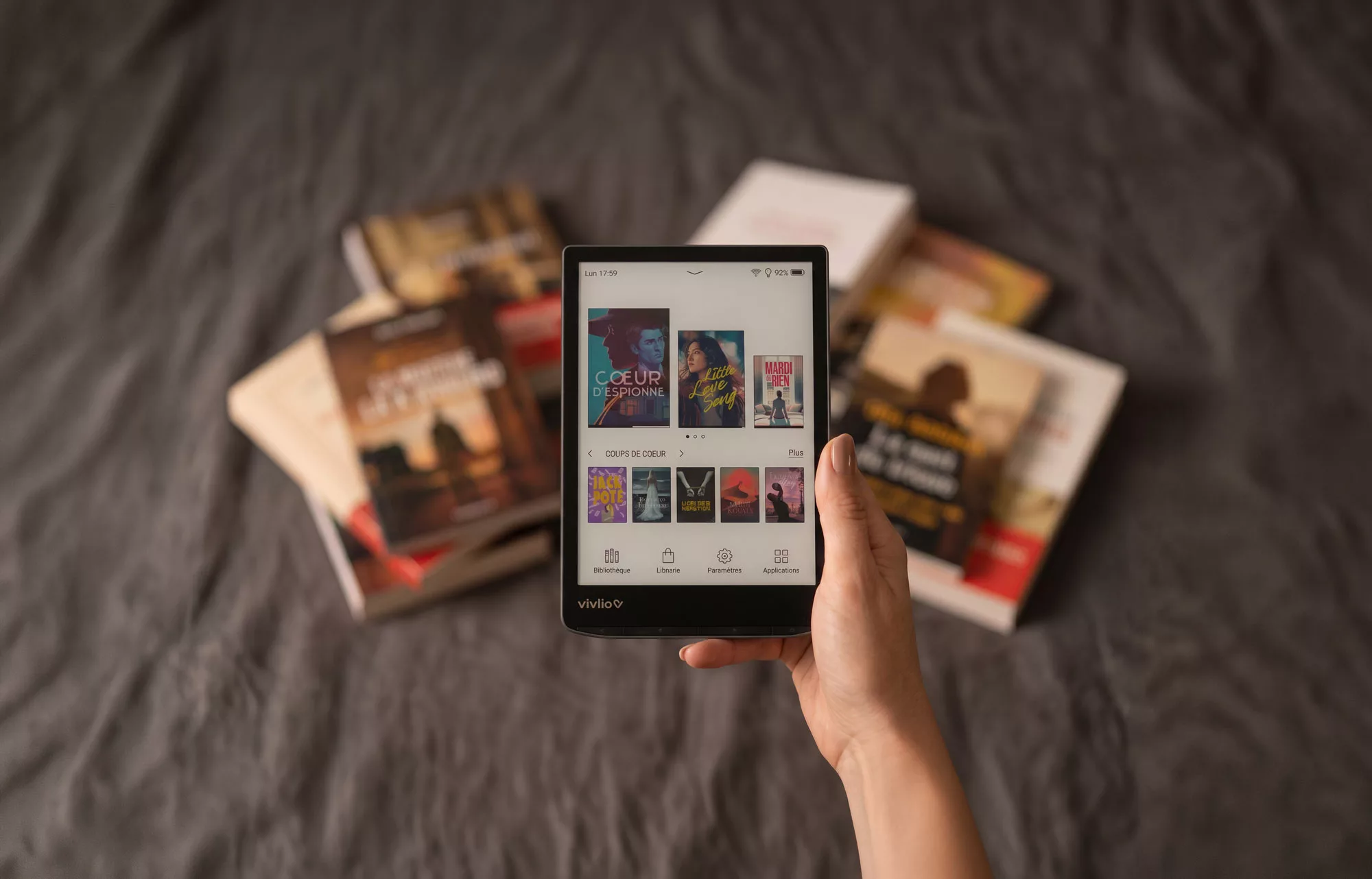
Reading in the Digital Age
The way we enjoy books has changed dramatically over the past few decades. While reading was once exclusively associated with printed pages, technological advances now offer multiple ways to access novels, essays, academic publications, and audiobooks from virtually anywhere.
The digital revolution has not replaced traditional books, but it has significantly expanded readers’ options. Thanks to a wide range of devices, people can now adapt their reading experience to their lifestyle, preferences, and individual needs.
Books No Longer Live in a Single Format
Modern readers have more choices than ever before. A single title may be available in print, ebook, and audiobook formats, allowing readers to choose the option that best suits their situation.
While some people still prefer the tactile experience of a printed book, others appreciate the convenience of carrying hundreds of titles on a single device or the flexibility of listening to a book while doing other activities.
This diversity has encouraged the development of entirely new reading habits.
E-Readers: Devices Designed for Reading
E-readers remain one of the most popular options for digital book lovers.
Thanks to electronic ink technology, these devices provide a reading experience that closely resembles paper while minimizing eye strain, even during extended reading sessions.
Their main advantages include:
- Screens optimized specifically for reading.
- Long battery life.
- Capacity to store thousands of books.
- Lightweight and portable design.
- Adjustable font size and style.
For frequent readers, e-readers continue to be among the most comfortable digital reading solutions available.
Smartphones: A Library in Your Pocket
Smartphones have become the most widely used devices for accessing digital content.
Reading applications allow users to download ebooks, synchronize libraries, and continue reading wherever they are. In addition, smartphones have become one of the primary platforms for audiobook consumption.
Their greatest advantage is convenience. Millions of people carry an entire library with them every day without needing to transport physical books.
Tablets: Versatility and Rich Content
Tablets combine mobility with larger screens and advanced multimedia capabilities.
They are particularly useful for:
- Illustrated books.
- Educational publications.
- Digital magazines.
- Comics and graphic novels.
- Interactive academic materials.
Tablets also allow users to switch easily between reading, watching videos, browsing the web, and using educational applications.
Desktop Computers and Laptops
Although they may not be the most comfortable devices for prolonged reading, computers remain widely used for accessing technical documentation, professional literature, and academic publications.
The ability to search content quickly, make annotations, and work with multiple documents simultaneously makes them valuable tools for students, researchers, and professionals.
Smart Speakers and Voice Assistants
Audiobooks have found a powerful ally in voice-controlled technology.
Smart speakers and voice assistants can play books through simple voice commands, making literature more accessible to older adults, visually impaired users, and anyone seeking a hands-free experience.
This trend is bringing books into everyday home life in increasingly natural ways.
In-Car Audio Systems
Daily commutes and long journeys offer excellent opportunities to enjoy audiobooks.
Modern vehicle integrations allow listeners to continue their stories while traveling to work, running errands, or taking road trips.
For many consumers, the car has become one of the most important spaces for audio content consumption.
Smartwatches and Connected Devices
Although still a relatively small segment of the market, smartwatches and other wearable devices are beginning to support reading and audiobook playback features.
The trend points toward greater integration among devices, allowing users to continue reading or listening seamlessly across multiple environments.
The Importance of Synchronization
One of the greatest advantages of today’s digital ecosystems is synchronization.
A reader can start a novel on an e-reader, continue reading on a smartphone during a commute, and finish listening to the audiobook through a smart speaker at home.
This continuity enhances the user experience and adapts reading to modern lifestyles.
The Future of Book Consumption
Technology will continue expanding the ways people access books. Artificial intelligence, conversational assistants, augmented reality, and immersive experiences may further transform how we interact with written and audio content.
As devices become smarter and more connected, the line between reading, listening, and interacting with a book will continue to blur.
Conclusion
Today, books are available wherever readers happen to be. E-readers, smartphones, tablets, computers, voice assistants, and audio systems have transformed reading into a flexible and highly accessible activity.
The true innovation lies not only in the devices themselves but also in the freedom they provide to access knowledge, culture, and entertainment anytime and anywhere. In the digital age, books no longer belong solely on a bookshelf; they travel wherever the reader goes.
#Audiobooks #DigitalReading #eBooks #ReadingTechnology #BookInnovation

Do you want to launch your own portal for printed and digital books, manage it directly without relying on third parties, and operate under your own brand? Bookset is your solution: fast, affordable, and fully customizable for your company or publishing house. 👉 bookset.app